Vilanova i la Geltrú and a Promised Trip
It all started with a bribe.
“If we go to the beach town,” Sue said, “we are not spending the entire day in a railway museum.”
I nodded solemnly. “Agreed.”
We both knew it was a lie.
The Museu del Ferrocarril de Catalunya, located in the coastal town of Vilanova i la Geltrú, had been on my must-visit list since before we moved to Spain. The town itself is lovely—sandy beaches, a palm-lined promenade, and a lively marina—but for me, the real draw was the museum, a former steam engine depot now home to one of Europe’s finest collections of vintage trains.
You can probably guess where we ended up spending most of the afternoon.
First Impressions: Like a Kid in a Sweet Shop
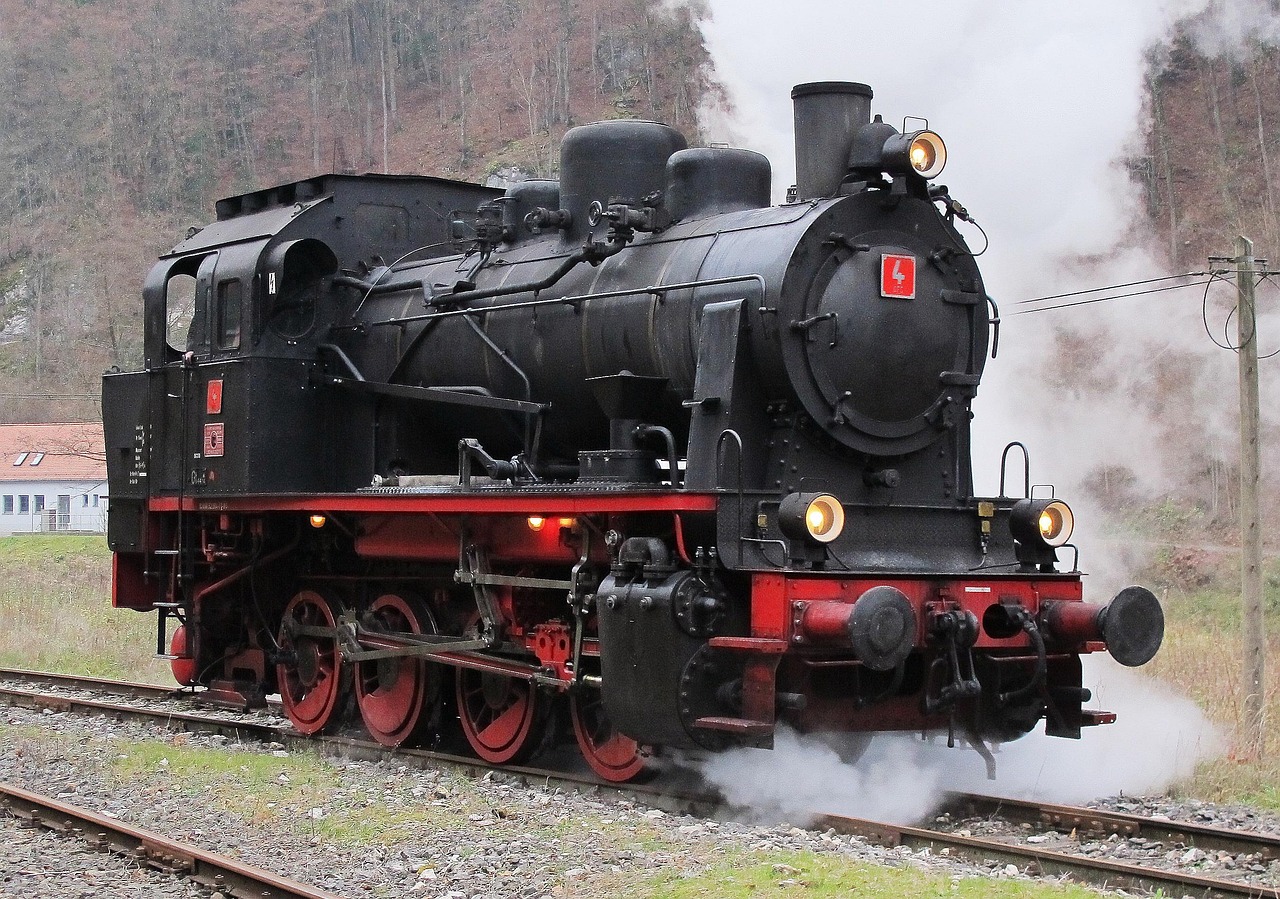
As we entered through the gates, I could already feel the excitement building. The place smells faintly of oil, rust, and history. Dozens of locomotives stood on display, including several mighty steam engines that once hauled freight and passengers across Spain.
From the moment I laid eyes on the 241-2101 Mikado steam locomotive, I was done for. She’s a beauty—coal-fired, hulking, and standing proud at the heart of the open-air collection. The museum also houses Spain’s first electric locomotives, experimental models, and a host of passenger carriages from different eras.
They even have a Talgo prototype, part of Spain’s engineering legacy that helped lay the groundwork for today’s high-speed AVE network. If you’re interested in learning more about Spain’s rail innovation, the Talgo company’s official history page is a fantastic deep dive.
Sue’s Patience is Tested
Sue, to her credit, tried. She really did.
She read the first few info plaques, asked questions about the early diesel engines, and nodded politely while I launched into a five-minute explanation of vacuum brake systems. But by the time I got to a wooden third-class coach from 1913, she had quietly wandered off and found a shaded bench.
“Let me know when you’ve emotionally bonded with every locomotive,” she said, sipping a bottle of water like it was a cocktail.
Highlights from the Collection
The museum’s design is clever—it’s not just a line-up of trains but a story of technological evolution. Some of the highlights for me:
- The replica of Spain’s first train, which ran between Barcelona and Mataró in 1848.
- A perfectly restored 1950s dining car, complete with period crockery and menus.
- The roundhouse and turntable, still operational for repositioning engines.
- Interactive exhibits for kids, which I obviously tried out “for research purposes.”
Reflections on a Day Well Spent
In the end, I didn’t see the beach. I didn’t have paella by the marina. I didn’t even buy Sue the ice cream I’d promised. But I did spend hours surrounded by machines that once connected cities, carried goods, and defined eras. There’s something powerful about standing next to a retired locomotive—these giants that once roared and steamed and mattered.
Sue, with her usual grace, didn’t complain. “You owe me a day of shoe shopping,” she said, and I nodded in defeat.
Fair enough.
Next Stop?
We’ve admired high-speed marvels, narrow-gauge wanderings, and now heritage steel giants. Up next, we’re leaving Spain for a bit—by train, naturally. It’s time to see how Spain’s network links up with the rest of Europe.
All aboard for the cross-border express.
No responses yet