We arrived earlier than we needed to.
That was Sue’s doing. She likes a margin. Time to stand, look around, and not feel like something’s about to go wrong. In most places, that means ten minutes on a platform with a coffee and a glance at a departure board.
Here, it meant something else entirely.
There was no ticket machine.
First thing I noticed. You can tell where your instincts sit after years on the railway. Eyes go straight to the practical bits. Where do you buy a ticket, where do you validate it, where does the system begin.
Nothing.
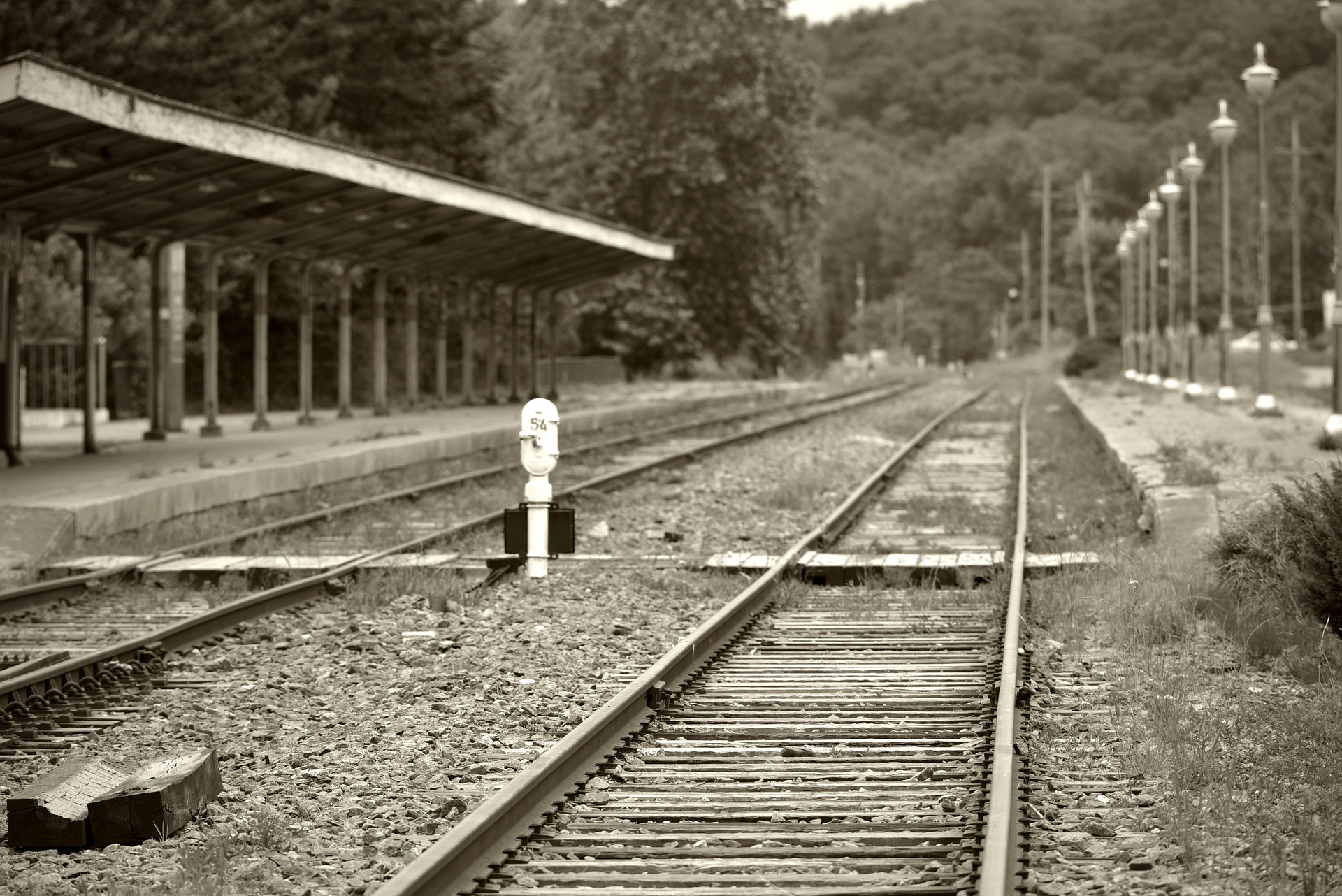
No machine, no window, no barrier. Just a platform, a sign, and a timetable that looked like it had been printed when printing still meant something.
I walked the length of the platform anyway. Old habit again. You think you’ve missed something. Tucked around a corner, maybe. A modern addition bolted onto an old station.
No.
“That can’t be right,” I said.
Sue didn’t answer straight away. She was watching a couple further down the platform, chatting as if this was the most normal setup in the world.
“They don’t look worried,” she said.
They didn’t.
That was the thing. No one pacing about. No one stabbing at a screen that wouldn’t respond. No one checking their phone every ten seconds in case they’d misunderstood something.
Just waiting.
In Britain, this would already be a problem. You’d have a sign explaining what to do if the machine was out of order, followed by another sign apologising for the inconvenience, followed by a third one warning about penalty fares if you got it wrong.
Here, nothing explained anything.
I checked the timetable again, more out of habit than doubt. Train due. Platform correct. No indication of how you were meant to be a passenger.
A man arrived a few minutes later. Walked straight onto the platform, nodded at no one in particular, and stood near the edge like he’d done it a thousand times.
I nearly asked him.
Didn’t. Felt unnecessary.
The train came in without ceremony. Same sort of unit we’d been on before. Diesel, steady, not trying to prove anything. Doors opened, people got off, people got on.
No one checked anything.
We stepped aboard and found seats without being challenged, which, I’ll admit, felt slightly wrong. Like walking into a shop and picking something up without paying, even if you fully intend to sort it later.
“Are we meant to have done something?” Sue said quietly.
“Apparently not yet,” I said.
It resolved itself about ten minutes into the journey.
The conductor came through. No rush, no edge to it. Just working his way down the carriage, asking where people were headed, tapping away on a handheld machine that looked like it had been dropped a few times but still knew its job.
We told him where we’d got on.
He nodded, printed two tickets, took payment, and moved on.
That was it.
No fuss. No sense that we’d done anything unusual. No warning about next time or suggestion that we’d somehow slipped through a system we were meant to understand.
Because that was the system.
It reminded me, in a quieter way, of the reality of Spain’s regional trains (https://www.trainartisan.com/the-good-the-bad-and-the-delayed-spains-regional-trains/). Not broken, not careless, just built differently. Less interest in controlling every step, more reliance on the thing actually working when it needs to.
I sat there for a bit after, thinking about how much effort goes into preventing situations like that back home.
Machines, gates, apps, checks before you even reach the platform. Layers of certainty built on top of each other until the whole thing feels airtight.
And still, it goes wrong.
Here, there was none of that. Or at least, less of it. The responsibility sat differently. You got on, you paid when asked, and the line carried on doing what it had always done.
It shouldn’t work as smoothly as it does.
But it does.
Sue relaxed once the tickets were in hand. You could see it. That slight tension disappear once things had been made official.
“I prefer knowing,” she said.
“So do I,” I said.
But I wasn’t entirely sure I meant it.
There’s something about a system that trusts itself a bit. Not blindly, but enough to avoid building a wall around every possible mistake. Enough to let things happen in sequence rather than forcing them all up front.
We passed a couple of stops where the same thing repeated. People getting on, conductor sorting it out later, no visible structure holding it together.
Except there was one.
It just wasn’t obvious.
And maybe that’s the point.
Not everything needs tightening. Not everything needs a screen, a barrier, a warning.
Some things just need to keep moving, with the understanding that they’ll sort themselves out along the way.
I can already hear Geoff’s take on it.
“This is how it should be.”
I won’t be agreeing with him out loud.
But I’m not arguing either.
No responses yet